
Hydraulic Tube end forming machines are workhorses in manufacturing plants across automotive, HVAC, and metal fabrication sectors, delivering precision and efficiency for tube processing tasks. However, constant exposure to high pressure, repetitive motion, and varying material stresses makes wear and tear inevitable. Left unaddressed, common wear issues can lead to reduced forming accuracy, increased energy consumption, unplanned downtime, and costly component replacements—especially impactful for mid-size plants operating on tight budgets and production schedules. By identifying key wear points, troubleshooting root causes, and implementing proactive maintenance, manufacturers can extend machine lifespan, preserve performance, and avoid operational disruptions.
Key Wear Points and Common Failure Symptoms
Hydraulic tube end forming machines feature interconnected systems—hydraulic, mechanical, and electrical—where wear tends to concentrate in high-stress components. Below are the most vulnerable areas and their telltale failure signs:
Hydraulic System Components: Pumps, valves, hoses, and seals bear the brunt of continuous pressure cycles.
Symptoms of wear: Leaking hydraulic fluid, fluctuating pressure, unusual noises, and slower cycle times.
Root causes: Contaminated hydraulic fluid, improper fluid viscosity, and overpressure from inefficient control systems.
Tooling and Die Components: Forming dies, mandrels, and tool holders directly contact tubes during processing, enduring friction and impact.
Symptoms of wear: Scratches or deformities on tube end surfaces, increased defect rates, and difficulty achieving dimensional tolerances.
Root causes: Lack of lubrication, processing abrasive materials without wear-resistant tool coatings, and improper die alignment.
Mechanical Moving Parts: Bearings, bushings, and linear guides enable smooth motion of the machine’s forming head and feeding mechanism.
Symptoms of wear: Stiff or jerky movement during operation, excessive vibration, and metal-to-metal rubbing noises.
Root causes: Insufficient lubrication, accumulation of dust and metal shavings, and overloading the machine beyond its rated capacity.
eals and Gaskets: These components prevent fluid leakage and protect internal parts from contamination, but degrade over time due to pressure and temperature changes.
Symptoms of wear: External fluid leaks, internal leaks , and contamination of hydraulic fluid .
Root causes: Age-related deterioration, exposure to extreme temperatures , and use of incompatible fluid or lubricants.
Troubleshooting Guide: Diagnosing and Resolving Wear Issues
Effective troubleshooting requires a systematic approach to isolate root causes and implement targeted solutions. Below are expert tips for addressing common wear problems:
Hydraulic System Wear Troubleshooting:
Leakage: Inspect hoses for cracks, bulges, or loose fittings—replace damaged hoses and tighten connections with torque wrenches to manufacturer specifications. For seal leaks, check fluid compatibility; use only OEM-recommended hydraulic fluid to prevent seal degradation.
Pressure Fluctuations: Test fluid cleanliness with a particle counter—if contaminated, drain and replace fluid, and install a high-efficiency filter to prevent future particle buildup. Calibrate pressure sensors and PLC controls to ensure accurate pressure regulation.
Pump Noises: Check fluid levels and viscosity—top up or replace fluid if below recommended levels. If noise persists, inspect the pump for worn internal components and replace as needed.
Tooling and Die Wear Troubleshooting:
Scratched or Deformed Tooling: Inspect dies for wear; replace or recondition if surface damage is visible. Implement a lubrication schedule—apply high-temperature, metal-compatible lubricant before each production run, especially when processing abrasive materials.
Inconsistent Forming: Check die alignment with a laser alignment tool—adjust mounts to ensure concentricity with the tube. For worn mandrels, replace with hardened steel or carbide-tipped alternatives for longer wear life.
Mechanical Moving Parts Troubleshooting:
Stiff or Jerky Motion: Clean bearings and linear guides with a degreaser, then apply a lithium-based lubricant or silicone-based lubricant. Remove accumulated debris with compressed air or a brush.
Excessive Vibration: Inspect machine leveling—adjust feet to ensure stability on the factory floor. Check for worn bearings; replace if there is play or roughness when rotating by hand.
Seal and Gasket Wear Troubleshooting:
External Leaks: Identify the seal type and replace with OEM-matched parts—avoid generic seals that may not withstand hydraulic pressure. Ensure cylinder rods are free of scratches to prevent seal punctures.
Internal Leaks: Perform a pressure drop test—if pressure falls more than 5% in 10 minutes, inspect valves and cylinders for worn seals. Flush the hydraulic system to remove contamination before installing new seals.
Proactive Maintenance Tips to Prevent Premature Wear
Preventive maintenance is far more cost-effective than reactive repairs, extending machine lifespan by 30-50% and reducing downtime. Below are expert-recommended maintenance practices:
Regular Fluid Maintenance:
Change hydraulic fluid every 6-12 months, whichever comes first. Use only fluid that meets the manufacturer’s specifications.
Check fluid levels daily and top up as needed—low levels cause pumps to draw air, increasing wear. Install a bypass filter for continuous fluid purification, reducing particle contamination by up to 80%.
Tooling Care Routine:
Inspect dies and mandrels before each shift—clean with a non-abrasive brush to remove metal shavings. Store tooling in a dry, climate-controlled area when not in use to prevent corrosion.
Rotate tooling to distribute wear evenly—for high-volume production, have spare tooling on hand to avoid downtime during replacement.
Scheduled Lubrication:
Create a lubrication chart for all moving parts (bearings, guides, hinges) and assign daily/weekly checks. Use the correct lubricant type—avoid mixing oils and greases, as this can cause lubrication failure.
For automated machines, integrate automatic lubrication systems to ensure consistent application, especially for hard-to-reach components.
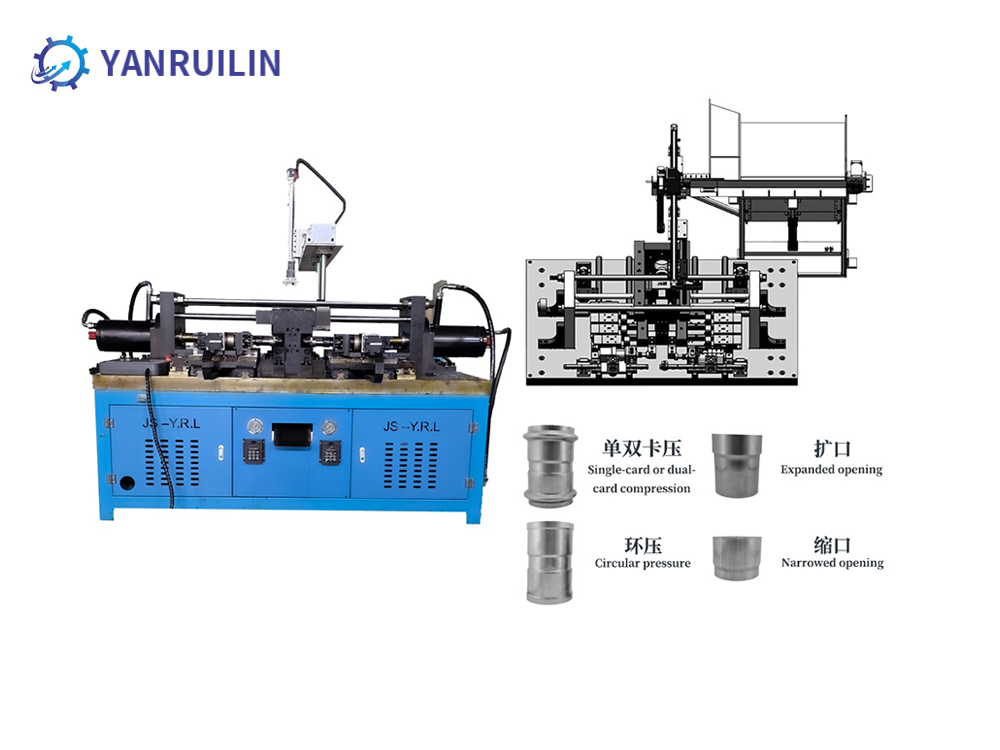
System Inspections and Calibration:
Conduct monthly visual inspections of hoses, fittings, and seals—look for signs of wear, corrosion, or loose connections.
Calibrate pressure sensors and PLC controls quarterly to maintain forming precision and prevent overpressure.
Perform annual comprehensive maintenance: disassemble key components (pumps, valves), clean internal parts, and replace wear items proactively.
Operational Best Practices:
Avoid overloading the machine—adhere to recommended tube diameters, wall thicknesses, and material types. Processing components beyond the machine’s rated capacity accelerates wear exponentially.
Allow the machine to warm up for 5-10 minutes before full-load operation—cold hydraulic fluid has higher viscosity, increasing pump strain.
Keep the machine and surrounding area clean—regularly remove metal shavings, dust, and debris that can enter the hydraulic system or jam moving parts.
The Business Case for Proactive Maintenance
For manufacturing plants, the cost of unplanned downtime due to wear-related failures can be substantial—averaging thousands of dollars per hour in lost production, plus repair costs. Proactive maintenance, by contrast, requires minimal upfront investment but delivers significant returns: extended machine lifespan, reduced replacement part costs, consistent forming quality, and maximized operational efficiency.
By understanding common wear points, implementing systematic troubleshooting, and following expert maintenance tips, manufacturers can keep hydraulic tube end forming machines running at peak performance for years. In a competitive manufacturing landscape, where reliability and cost control are critical, proactive maintenance is not just a best practice—it’s a strategic investment in long-term productivity and profitability.
Questo sito utilizza i cookie per assicurarti la migliore esperienza sul nostro sito.

 English
 Español
 Pусский
 Deutsch
 日本語
日本語 한국어
한국어 Türk dili
 हिन्दी
 Indonesia


Commento
(0)